The reading provided to us on moodle by Barr and Stephenson (2011) outlined the multiple definitions of computational thinking as well ways of envisioning computational thinking in the K-12 classroom and strategies for achieving systematic change.
The structured model below was taken from the reading and it shows how core computational thinking concepts and capabilities can be applied to the different subject areas of the Australian Curriculum.

Over the course, the computational thinking processes we will be focusing on are:
1.Abstraction
2. Patters
3.Decomposition and
4. Algorithms
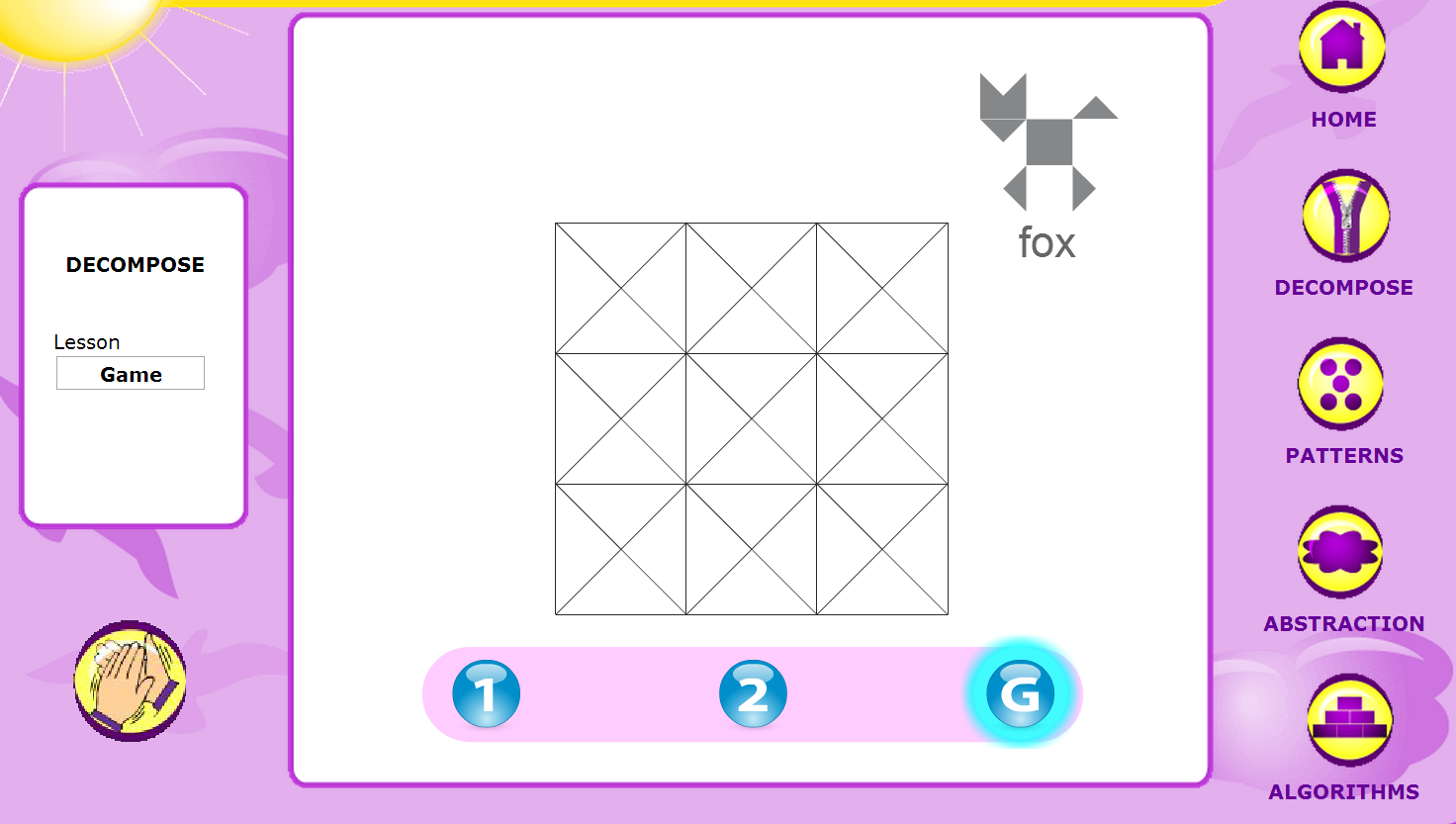
To get a better understanding of each area, I visited the Thinking Myself site and went through the slideshow and games. It was very easy to follow and quite basic content but it got the point across clearly which I loved. The games were inviting and easy to understand as well.


I look forward to learning about these different areas in more detail over the duration of the course.
Reference:
Barr, V. & Stephenson, C. (2011). Computational thinking to K-12: What is involved and what is the role of the computer science education community. ACM Intoads, 2(1), 48-54. From https://www.iste.org/docs/nets-refresh-toolkit/bringing-ct-to-k-12.pdf?sfvrsn=2

No comments:
Post a Comment